
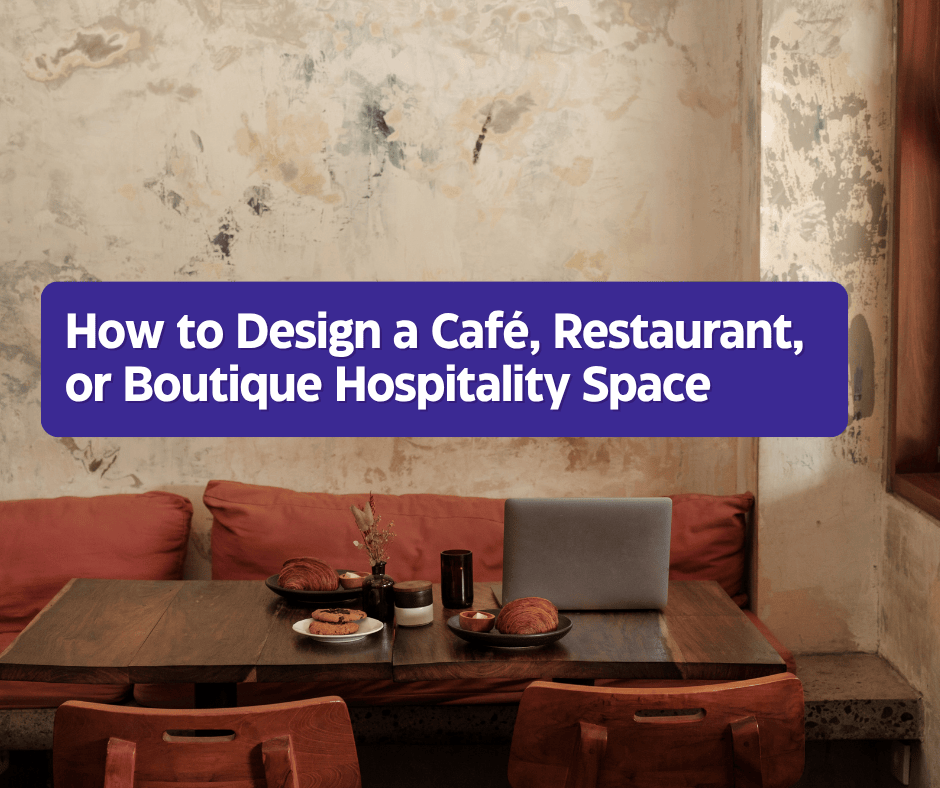
How to Design a Café, Restaurant, or Boutique Hospitality Space
Designing a café, restaurant, or boutique hospitality space is about much more than making it look attractive. In hospitality, interiors influence first impressions, customer comfort, movement, mood, brand recall, and even how long people choose to stay. A well-designed space supports both the guest experience and day-to-day operations.
This is why hospitality design needs a careful balance of aesthetics, functionality, durability, and brand identity. At Mistry Bhejo, the focus is on creating spaces that not only look premium but also work efficiently for real business use.
Start with the Brand Experience
Before thinking about colors, furniture, or décor, define the kind of experience the space should create. A café may need to feel warm and social. A boutique restaurant may need a more intimate and elevated atmosphere. A hospitality space should reflect the brand clearly through the environment.
Ask:
- What feeling should guests have when they enter?
- Is the brand modern, premium, relaxed, artistic, or minimal?
- What kind of audience will use the space?
- Should the space feel quick and functional or slower and immersive?
A strong hospitality design begins with clarity on the brand experience. Mistry Bhejo approaches design by aligning interiors with both customer expectations and business goals.
Plan the Layout Around Movement and Function
One of the most important parts of hospitality design is space planning. A visually beautiful layout can still fail if movement feels awkward for guests or staff.
The layout should consider:
- customer entry and first impression zone
- seating flow and table spacing
- service pathways for staff
- billing or reception placement
- waiting areas if needed
- kitchen or back-end accessibility
- washroom access
- visual openness without crowding
In a café or restaurant, the layout should make service smoother while helping guests feel comfortable. A boutique hospitality space should feel inviting, not cluttered. This is where smart planning makes a major difference.
Use Lighting to Shape Mood
Lighting is one of the strongest tools in hospitality design. It influences ambience, photographs, comfort, and the overall perception of quality.
Different zones may need different lighting approaches:
- ambient lighting for overall warmth
- task lighting for counters or service zones
- accent lighting for brand features or décor elements
- softer lighting for intimate dining areas
- brighter lighting for display sections or active café setups
The right lighting can make a space feel premium, welcoming, and memorable. Mistry Bhejo treats lighting as a key design layer, not just a technical requirement.
Choose Materials That Are Both Stylish and Durable
Hospitality interiors face heavier usage than most residential spaces. That is why materials must be selected for both appearance and performance.
Important considerations include:
- easy-to-clean surfaces
- durable flooring
- stain-resistant finishes
- sturdy furniture materials
- moisture-resistant solutions where required
- long-term maintenance needs
A well-designed hospitality space should remain visually strong even with frequent use. Premium design is not only about first impressions. It is also about how well the space holds up over time.
Build a Strong Visual Identity Through Interiors
Guests often remember hospitality spaces by how they feel visually. This is where interior design becomes part of brand building.
Elements that strengthen identity include:
- color palette
- signature textures or materials
- wall treatments
- furniture style
- artwork or décor accents
- branded focal points
- façade or entrance styling
A café, restaurant, or boutique property should have design elements that make it recognizable and worth remembering. Mistry Bhejo helps bring this identity into the space in a way that feels cohesive rather than forced.
Design for Comfort, Not Just Appearance
A hospitality space may look impressive in photos, but if seating is uncomfortable or the environment feels poorly planned, guest experience suffers.
Comfort-focused design should consider:
- seating ergonomics
- table height and spacing
- ventilation and cooling
- acoustic comfort
- movement ease
- privacy where needed
- washroom usability
Good hospitality design works quietly in the background. Guests may not notice every design choice, but they will feel the difference.
Think About Social Media and Customer Recall
Today, many cafés, restaurants, and boutique hospitality brands benefit from being visually shareable. This does not mean the space should be designed only for social media, but certain corners, backdrops, or signature elements can help strengthen recall and visibility.
Instagrammable details can include:
- a standout wall
- a unique seating corner
- layered lighting moments
- elegant branding integration
- material-rich focal zones
The key is to keep the space authentic while giving customers something memorable.
Final Thoughts
Designing a café, restaurant, or boutique hospitality space requires more than taste. It needs strategic planning, operational understanding, durable material choices, and a strong sense of brand identity.
At Mistry Bhejo, hospitality design is approached as both a creative and business decision. The goal is to build spaces that look premium, function smoothly, and leave a lasting impression on every guest. When design supports both ambience and operations, the space becomes a stronger business asset.
FAQ Section
Frequently Asked Questions
What is the most important part of hospitality interior design?
The most important part is balancing guest experience with operational efficiency. A hospitality space should look appealing while also supporting smooth movement, comfort, and service flow.
Why is layout important in café or restaurant design?
Layout affects how guests move, how staff serve, how seating feels, and how efficiently the space functions overall.
What materials are best for hospitality interiors?
Materials that are durable, easy to maintain, stylish, and suitable for high-traffic usage are ideal for hospitality interiors.
How can Mistry Bhejo help design a hospitality space?
MistryBhejo helps design hospitality spaces with a focus on brand identity, space planning, guest comfort, premium aesthetics, and practical execution.